Lincoln Park, by the numbers
| Figure | What it is |
|---|---|
| About 62,067 residents | City estimate for the community area |
| About 29 percent | Residents aged 25 to 34 |
| About 16 percent | Residents under 18 |
| About 55 percent | Renter-occupied homes, CMAP community area estimate |
| About 20 percent | Housing units that are single-family, CMAP community area estimate |
| About 43 percent | Housing units in buildings of 20 or more units, CMAP community area estimate |
| About 34 percent | Housing units built before 1940, CMAP community area estimate |
Lincoln Park has about 62,067 residents, with about 29 percent aged 25 to 34 and about 16 percent under 18. Across the community area, about 55 percent of homes are renter-occupied, about 43 percent of housing units are in buildings of 20 or more units, about 20 percent are single-family homes, detached or attached such as row houses and townhouses, and about 34 percent were built before 1940, with another 27 percent from 1970 to 1989.
Young adults, kids under 18, and old housing
With about 29 percent of residents aged 25 to 34 and about 16 percent under 18, the community area holds two very different household kinds on the same blocks. Older housing adds a third layer. A good portion of the stock predates 1940, which usually means some kind of painted trim, old tile grout and cast-iron radiators that take a damp cloth rather than a scouring pad.
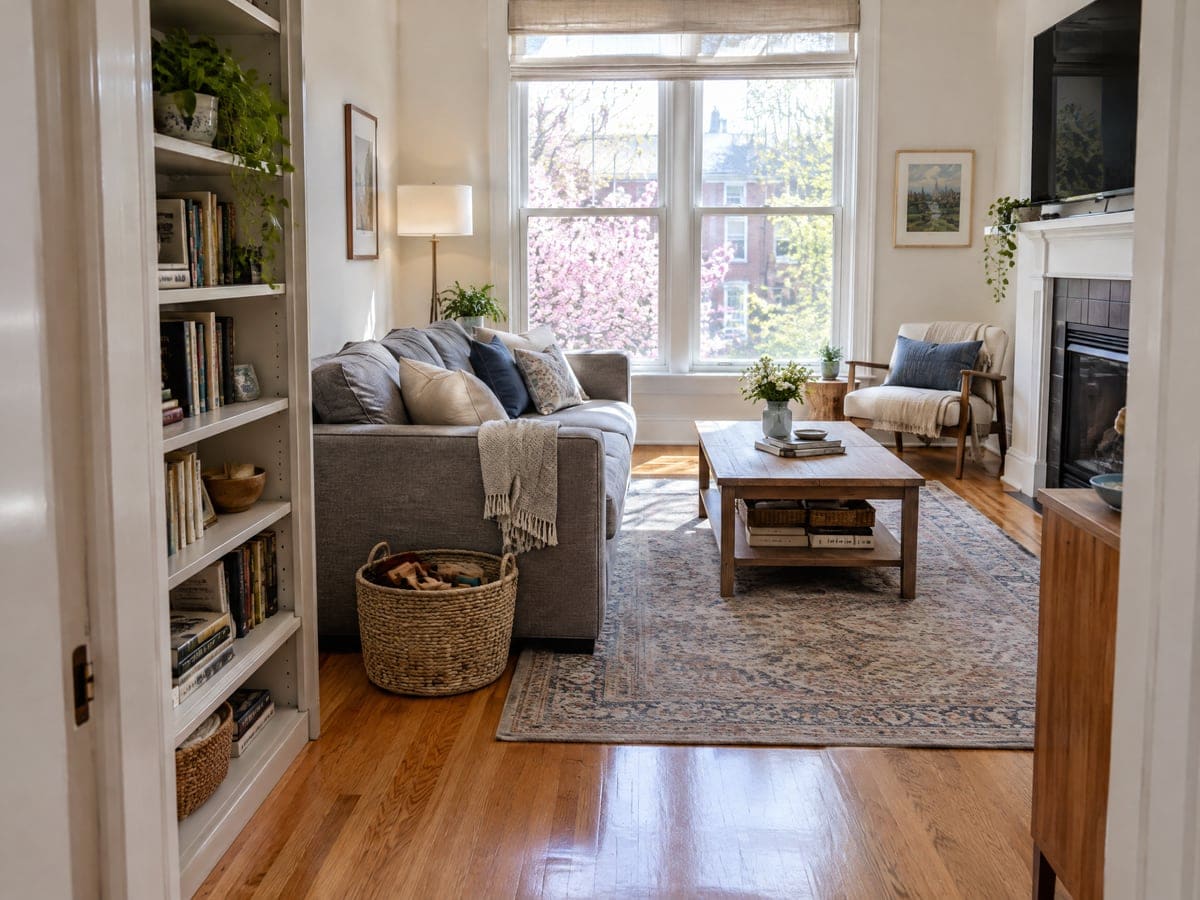
Lincoln Park's housing includes both tall apartment buildings and single-family houses.
If you live with roommates, apartments shared by roommates keeps the common areas on one baseline while each private room follows its tenant's own instructions. When a lease ends, move-out cleaning at the end of a lease handles the empty-room work: inside the cabinets, inside the appliances, closets, sills, and floors. A new lease starting the other direction gets cleaning a new place before the boxes, with the same list before furniture arrives.
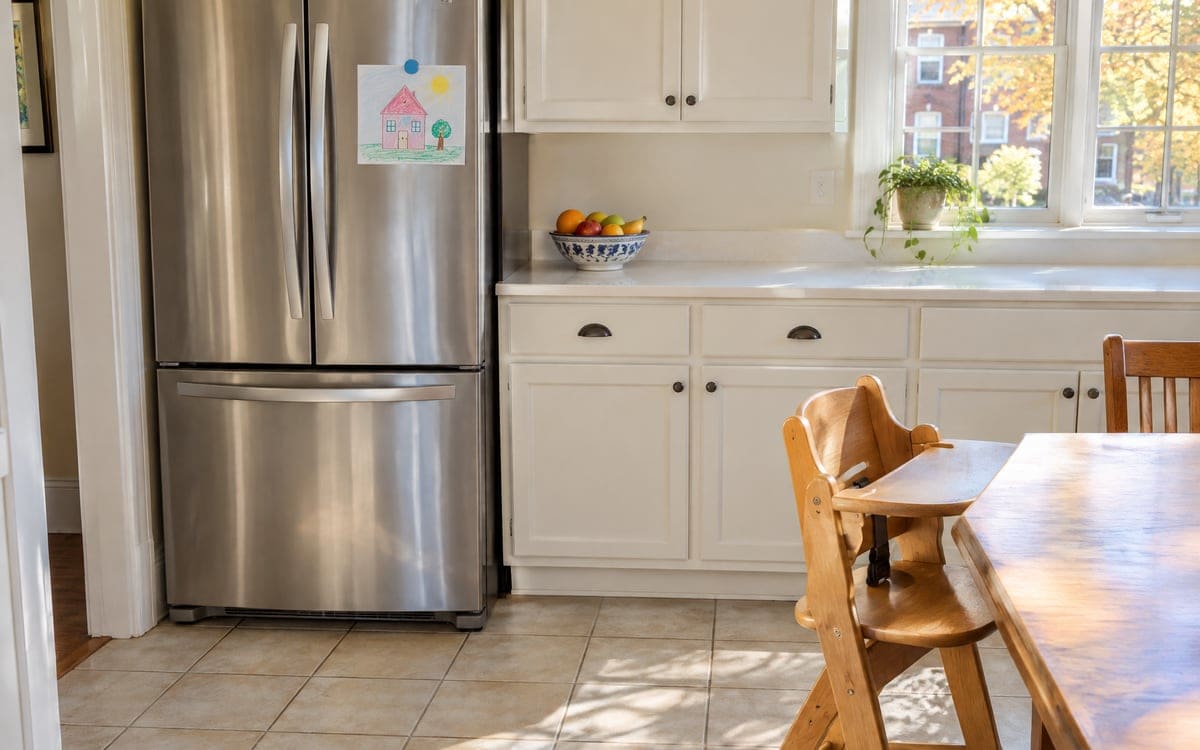
For a family home with four or more bedrooms (about 13 percent of community-area housing has that many), the more common rhythm is a weekly visit for a busy household that keeps the kitchen and bathrooms current. A first visit after a long gap is usually a deep clean, which gets the trim, grout and radiators back to a baseline before any schedule starts.
Services, in the order most Lincoln Park homes think about them
Recurring visits sit at the top. A one- or two-bedroom with roommates and a family home with four bedrooms both share the same kitchen and bathroom core; what changes is the number of rooms, the time per room, and what the household wants left alone. A one-off deep clean is the first visit when a home has not seen a thorough pass for a long stretch. End-of-lease and start-of-lease work takes an empty room, where the sequence covers inside-the-cabinets, inside-the-appliances and all the surfaces that daily life hides. For a question about an unusual layout, get in touch and send what you can.
For a different Chicago angle on older apartments and post-rehab work, see cleaning in Wicker Park.
What a weekly visit covers in a family home
A weekly visit in a four-bedroom row house or single-family does not try to catch up on everything in one pass. The kitchen counters, sink, stovetop and the outside of appliances get the main attention. Both or all three bathrooms get the full top-down sequence. Bedrooms and the living room get surfaces and floors. School papers, mail stacks and toys stay where they are unless the household wants a different arrangement.
Shared apartments, priced for shared living
A shared apartment is one unit, and the visit covers it as one. The first visit tends to carry more detail than later ones because the baseline is being set; later visits run shorter because the places that fill up are the places we have already learned. Any roommate can be the point of contact, and specifics for a private bedroom come from that roommate rather than from the household as a whole.